
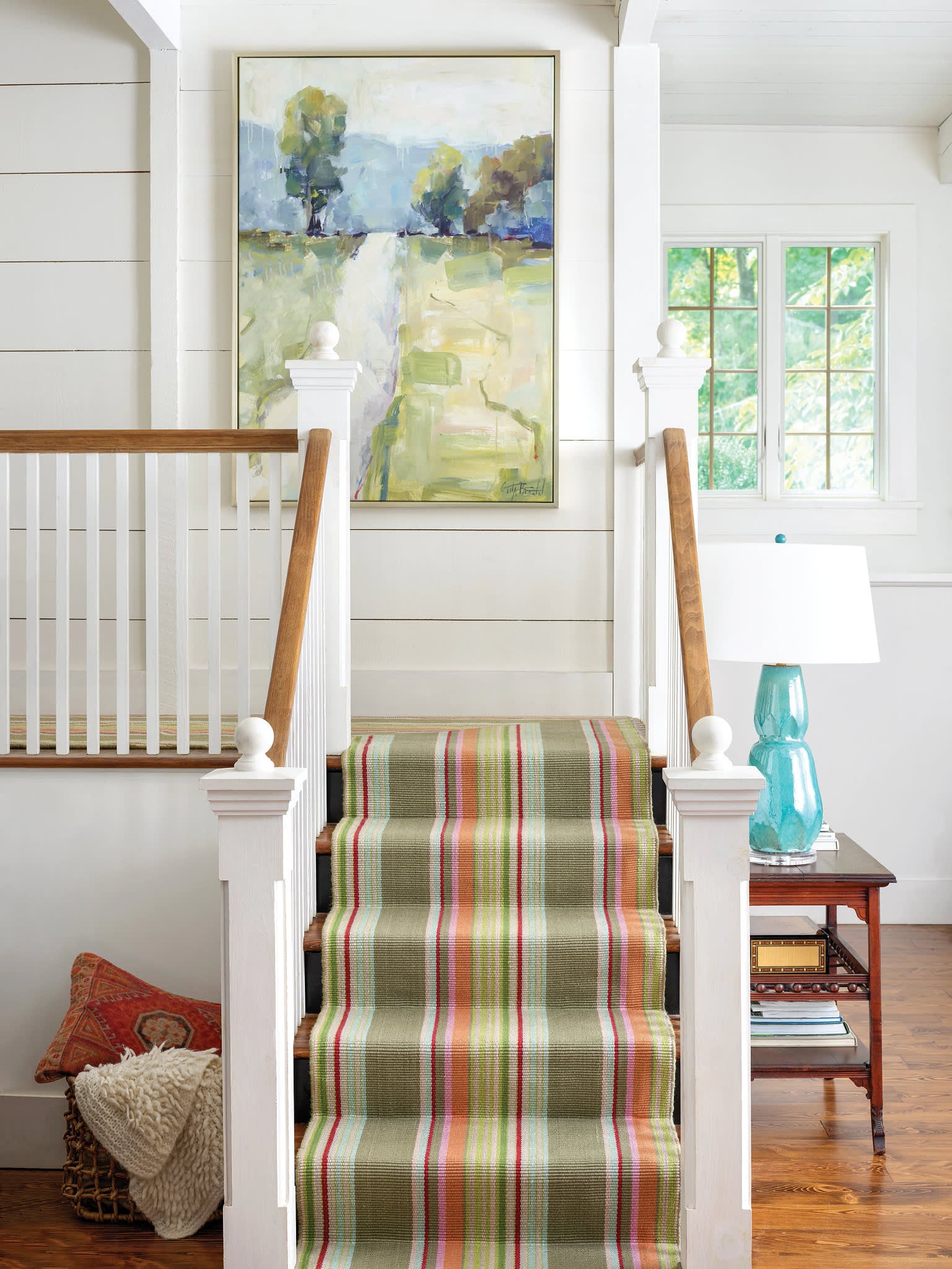
How do you choose a rug that complements your furniture?
When you imagine a well-designed room, you might first notice stunning furniture or beautiful wall art, but the real magic often lies beneath your feet. The right rug isn’t just an accessory — it’s the foundation upon which your entire room is built. Selecting a rug that perfectly complements your furniture is more than just a style decision; it’s about achieving balance, harmony, and a seamless flow that transforms your space. In this guide, we’ll walk you through how to match rugs with furniture, select the ideal rug size, and create a room that feels inviting and cohesive.
---
Understanding the Role of Rugs in Interior Design
Rugs are often described as the “fifth wall” in interior design for a reason. A thoughtfully chosen rug can define areas, anchor furniture groupings, and establish the mood of your room. Whether you want to make a bold statement, add warmth, or unify a multi-functional space, the right rug serves as both an aesthetic and practical touchpoint.
A rug’s influence goes far beyond looks; it affects how you perceive the size, shape, and order of your furniture. It can visually expand or compress a room, enhance comfort underfoot, and act as a soft sound buffer. The interplay between your rug and your major furnishings can make your design scheme feel complete.
---
Why Rug Size Matters: Achieving Balance and Flow
One of the most common mistakes in home design is choosing a rug that’s too small. An undersized rug can make a space feel disconnected — as if your furniture is floating in the room. Conversely, a correctly sized rug can bring an entire space together, helping maintain the balance and flow that interior designers strive to achieve.
A properly sized rug should anchor key pieces of furniture, define zones in open-plan layouts, and leave enough exposed flooring to avoid feeling cramped. The result is a natural sense of proportion that supports smooth movement and visual appeal.
**Visualizing the Impact:**
- **Balanced Room:** A living room with a rug that extends under all the main furniture feels welcoming and unified.
- **Unbalanced Room:** Chairs and tables with just their front legs on or off the rug can look haphazard and unplanned, causing the design to fall flat.
---
Step-by-Step Guide: Choosing the Right Rug for Your Furniture
Ready to pick a rug that works perfectly with your furniture? Here’s your essential roadmap:
### a. Assess the Room Layout and Furniture Placement
Start by evaluating your space. Is the room open or segmented into specific zones? Do you have a main seating area, a dining space, or a dedicated spot for a bed? Draw a rough layout including your furniture to pinpoint where a rug would be most effective at anchoring individual areas.
*Tip: For open-plan living rooms, use rugs to visually separate sitting and dining spaces.*
### b. Measuring for the Perfect Fit
Failing to measure accurately can lead to buying a too-small rug that leaves your furniture adrift. Follow these tips:
- In living rooms, aim for a rug that’s at least big enough for the front legs of all seating pieces to rest on it — ideally, all four legs.
- Dining rooms call for a rug large enough that chairs remain on the rug even when pulled out.
- In bedrooms, try to have the rug extend at least 18–24 inches on each side of the bed.
**Standard Rug Sizes to Consider:**
- Living Room: 8’x10’ or 9’x12’ for most standard layouts
- Dining Room: 8’x10’ or larger depending on your table and chairs
- Bedroom: 6’x9’ for a queen bed, 8’x10’ for a king
### c. Selecting a Rug Shape That Enhances Your Decor
Rugs come in all shapes and sizes. Rectangular rugs are most popular, but don’t be afraid to think outside the box:
- **Rectangular rugs** suit most rooms and seating arrangements.
- **Round rugs** work well under circular tables or as playful accents in bedrooms and reading nooks.
- **Runner rugs** are ideal for hallways or to define passage zones within rooms.
Choose a shape that complements your furniture’s arrangement, not clashes with it.
### d. Matching Rug Style and Color to Your Furniture
This is where your rug can become a statement piece — or act as a subtle backdrop. Examine your existing furniture’s style, color, and texture.
- **Harmonize or Contrast:** If your sofa and chairs are neutral, consider a rug with bold patterns or vibrant colors. For patterned furniture, opt for a solid or subtly textured rug.
- **Play with Texture:** A handwoven wool rug adds warmth and coziness to modern or minimalist setups, while a smooth flatweave looks great in high-traffic areas.
- **Accentuate or Ground:** Use darker rugs to ground light furniture or lighter rugs to lift a room with darker furnishings.
**Pro Designer’s Tip:** Echo a color from your furniture or accent pieces in your rug for instant cohesion.
### e. Layering Rugs for Extra Depth and Visual Interest
Layering isn’t just for clothing — layering rugs can add instant depth and a curated touch to your space. For example:
- Place a smaller patterned rug over a large jute or sisal base.
- Layer a bold vintage rug atop a neutral, wall-to-wall carpet.
Layering works particularly well in eclectic and contemporary settings, letting you bring personality and character to your room without a big renovation.
---
Expert Tips for Specific Furniture Arrangements
Let’s break down how to match rugs with furniture in different rooms:
### Living Room
Anchor the rug under the main seating arrangement. Ideally, all the front legs of sofas and chairs should be on the rug, or the entire furniture can sit on the rug for a more formal look. Allow at least 12–18 inches between the rug and the walls.
### Dining Room
The rug should extend at least 24 inches beyond the edges of your dining table. This ensures that chairs remain on the rug even when pulled out, preventing trips and scratches on the floor.
### Bedroom
Place the rug under the bed, allowing it to extend on both sides and the foot. This not only adds comfort when you step out of bed but also gives the room a balanced look. For an alternative, lay runners along each side of the bed, particularly in smaller bedrooms.
---
Common Rug Selection Mistakes to Avoid
Don’t fall into these all-too-common traps when matching rugs with furniture:
- **Incorrect Proportion:** Choosing a rug that’s dwarfed by your furniture makes your room feel scattered. Opt for the largest rug your space and budget allow.
- **Misplaced Furniture Legs:** Leaving only the coffee table on the rug or arranging major pieces half-on, half-off creates an unfinished effect.
- **Ignoring Lifestyle Needs:** High-pile or delicate rugs in busy areas with kids and pets can quickly look worn. Choose materials that suit your lifestyle.
- **Skipping Maintenance:** Think about ease of cleaning, especially for dining rooms and high-traffic zones.
- **Neglecting Underlays:** Non-slip rug pads prevent bunching and protect your floors, adding comfort and extending the rug’s life.
---
Conclusion: Transform Your Space with the Perfect Rug
Choosing a rug that complements your furniture is both an art and a science. With the right size, shape, style, and placement, your rug acts as the silent hero that ties the room together, creating a space where every piece feels intentionally chosen. Remember: start with accurate measurements, envision the balance and flow you want to achieve, and aim for harmony between your rug and furniture. With these expert insights, you’re ready to shop confidently and give your home the polished, inviting look it deserves.