
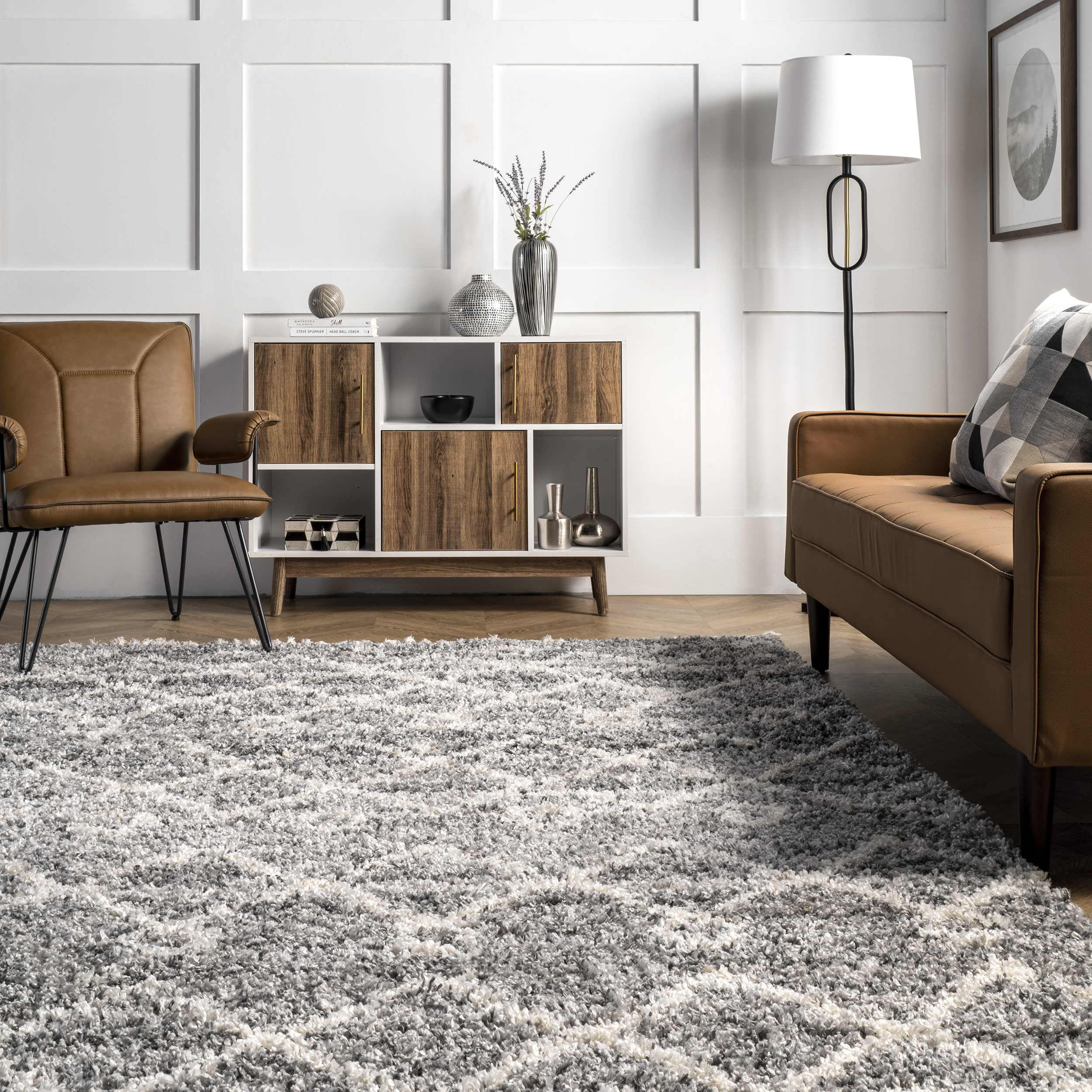
Rugs are far more than simple floor coverings—they are pieces of living history that echo the artistry, culture, and aspirations of their makers. With every thread and hue, they invite us to explore worlds both old and new, from textured bohemian tapestries to the serene symmetry of modern minimalism. But how exactly do rugs tell these vibrant stories? The answer lies in their colors, patterns, and most especially, their craftsmanship.
The Language of Color in Rugs
The colors we choose for our homes do more than beautify—they set moods, evoke memories, and communicate values. In rug design, color is the first storyteller, speaking directly to our emotions. Rich reds conjure warmth, energy, and hospitality; calming blues recall the depth of oceans and the comfort of shared traditions; earthy greens and browns ground us, evoking natural landscapes and serene escapes. Across cultures, certain hues take on special meaning. In Persian and Middle Eastern rug traditions, specific colors are steeped in symbolism—red for courage and wealth, blue for spirituality and peace, and gold for royalty and prosperity. Modern designers draw on this heritage even as they play with unexpected, contemporary palettes, making color a bridge between past and present. Ultimately, the colors woven into a rug do far more than appeal to the eye; they set the entire tone of a room, inspire conversation, and create atmospheres uniquely tailored to their owners.
Patterns: History Woven into Every Thread
Patterns in rugs aren’t merely decorative—they are carriers of narrative, memory, and meaning. From geometric diamonds tracing the history of tribal migration to fluid florals that recall the lush gardens of ancient empires, every motif offers a snapshot of culture and tradition. Geometric patterns, such as those found in tribal and Moroccan designs, symbolize unity, protection, and community. Persian rugs, famed for their intricate botanical motifs, weave in stories of paradise and the interconnectedness of life. Meanwhile, minimalist rugs trade complexity for clarity, using simple lines and shapes to create a different kind of narrative—often one of calm, focus, and movement. Consider the classic Scandinavian flatweave: its crisp stripes and chevrons tell stories of northern landscapes, folk tradition, and modern simplicity. Or the bohemian shag rug, where textures and irregular patterns invite spontaneous creativity and a sense of adventure. Whether offering a window into history or making a bold modern statement, rug patterns allow us to connect with distant places and times—or simply express our own story right here, right now.
Craftsmanship as the Heart of the Narrative
No story would be complete without its storyteller—and in the realm of rugs, craftsmanship takes on this vital role. The difference between a mass-produced mat and a lovingly hand-crafted rug is palpable not just underfoot, but in spirit. Every knot, tuft, and weave embodies the skill and dreams of master artisans, many of whom are continuing techniques passed down through generations. Hand-knotted rugs, famous for their durability and intricate design, can take months or even years to complete. Each tiny knot is a labor of artistry, often revealing subtle variations that make the rug unique. Hand-tufted and flatweave rugs require different skills and patience, translating stories not just through the eye but through touch, as varied textures emerge. Even in machine-made rugs, modern technology enables pattern precision and color vibrancy—yet many designers strive to preserve an artisanal touch, blurring the line between old and new. In this way, craftsmanship weaves together tradition, innovation, and individuality, making each rug a living testimony to human creativity.
From Bohemian Textures to Modern Minimalism—Styles that Speak
Style is the language in which a rug’s story is told. Some stories are exuberant and adventurous—think bohemian or vintage rugs, with their layered colors, playful fringes, and tactile variety. These rugs invite conversation, curiosity, and exploration, easily becoming the focal point of eclectic, art-inspired spaces. Other stories are whispered in calm, sparse lines: the ethos of modern minimalism. Neutral color palettes, subtle gradients, and streamlined designs create a backdrop that soothes and focuses. Here, the rug may play a supporting role—grounding a room and adding texture without overwhelming other design elements. In today’s interiors, mixing and matching these styles is not just accepted—it’s celebrated. A bohemian rug can enliven a modern space, while a minimalist carpet might bring calm to a more vibrant or traditional setting. Through thoughtful combinations, we weave together our unique narrative, blending what resonates with our personal histories and aspirations.
Choosing a Rug That Tells Your Story
Selecting a rug is deeply personal—after all, it will anchor your space and reflect your life’s unfolding story. Which colors speak to your personality? What patterns echo your dreams and values? Do you favor traditional artisanal techniques or sleek modern construction? Here are some tips for choosing a storytelling rug: **1. Start with Intention:** Identify the atmosphere or feeling you want to create in your space. Do you want warmth, energy, calm, or creativity? Use this intention to guide your color and pattern choices. **2. Respect the Room’s Purpose:** Rugs in high-traffic living areas need durability and ease of care, while intimate spaces might invite plush textures and intricate designs. **3. Seek Authenticity:** Hand-crafted or vintage rugs offer unique stories, especially if you research their origins. Machine-made rugs in innovative patterns or eco-friendly materials also have stories to tell—often about sustainability or cutting-edge design. **4. Mix, But Don’t Clash:** Layering different rug styles can add depth and conversation to a space, but keep an eye on color harmony and complementary motifs to avoid visual chaos. **5. Make it Meaningful:** If a particular motif or color resonates with your family heritage, travels, or memories, let it take center stage. Your rug should be an extension of your own story.
Conclusion: Every Rug, a Story Underfoot
Rugs have wrapped tales around their fibers for millennia—telling stories of distant lands, skilled hands, bold visions, and the everyday beauty of craft. Through color, they touch our emotions; through patterns, they immortalize heritage; through craftsmanship, they celebrate human artistry and innovation. In our own homes, these woven masterpieces transform mere spaces into living, breathing canvases. Whether you seek the depth of bohemian textures or the clarity of modern minimalism, there’s a rug whose story can become part of your own. Ask the next rug you encounter: What journey lies in your colors, your shapes, your touch? You may find you’re stepping into a story written just for you.